What Is the Best AI Chatbot for English Learners in 2026?
Many English learners are in the same situation. They want to speak more, but they feel shy, they don't have a regular speaking partner, or they worry that every mistake will sound embarrassing.
That is why so many people now ask, What is the best AI chatbot? For an English learner, that question is a little different. The best chatbot isn't just the one that writes fast or answers facts. It is the one that helps a learner practice speaking out loud, feel calm, and improve step by step.
An AI chatbot is a computer tool that can hold a conversation. A person speaks or types, the chatbot replies, and the conversation continues. Some chatbots are made for general tasks like writing or search. Others are better for language practice, especially speaking.
For non-native speakers, the most helpful choice is usually not the most famous name. It is the tool that listens well, replies naturally, gives clear feedback, and makes practice feel safe.
Table of Contents
- Finding Your AI Practice Partner
- How to Choose the Right AI Chatbot for You
- Popular Chatbots for General Tasks
- Special Chatbots for Practicing English
- Why Verse Can Help You Speak with Confidence
- How to Test a Chatbot for Yourself
- Your Next Step Is to Start Speaking
Finding Your AI Practice Partner
A learner finishes work late, opens a laptop, and thinks, "It would help to speak English for ten minutes." Then the usual problem appears. No partner is available. A class is too expensive. Speaking alone feels strange.
That is where an AI chatbot can help. It can be ready at any time, and it doesn't get tired or impatient. For a learner who wants daily speaking practice, that matters a lot.
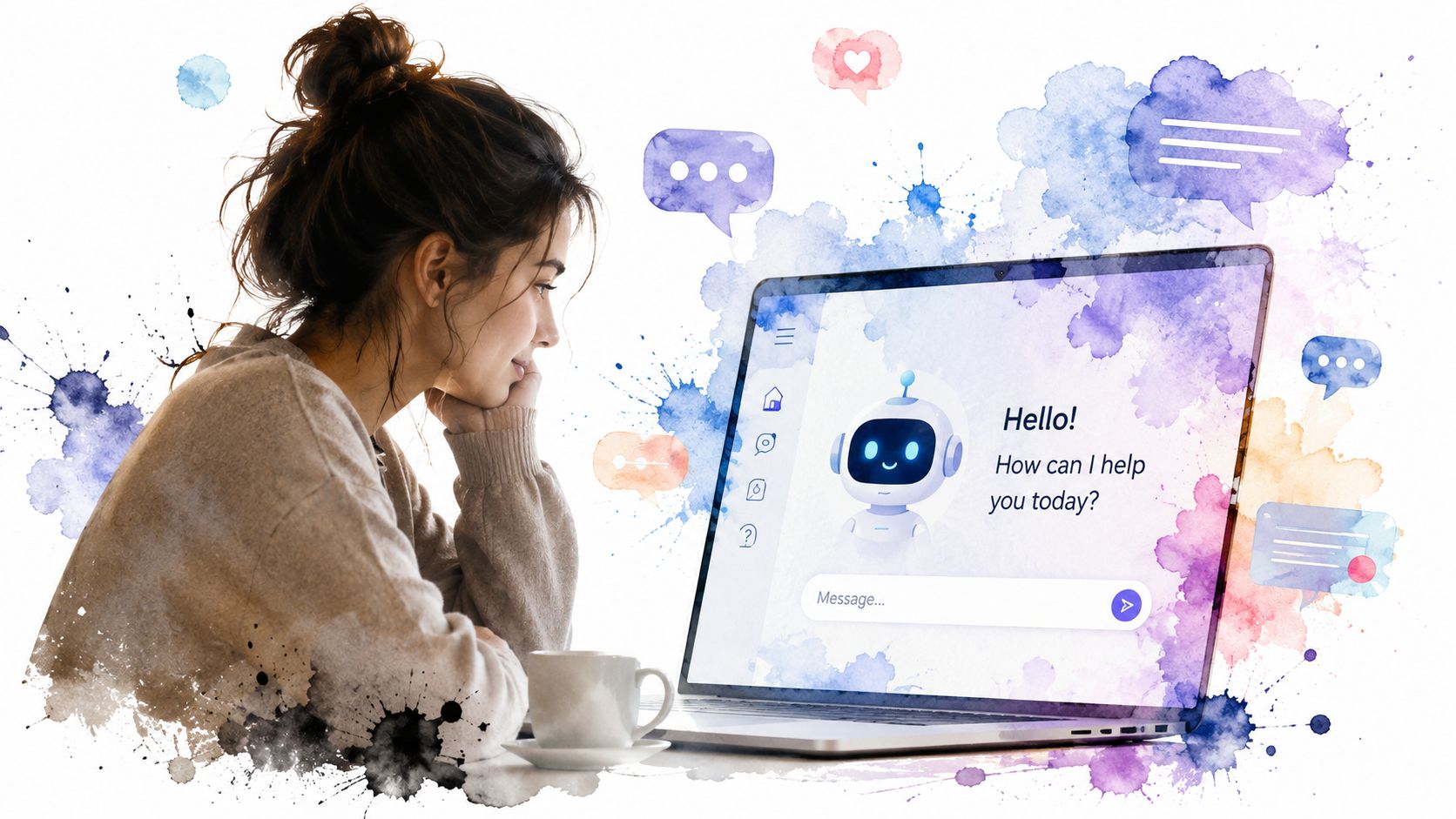
Some readers feel confused by the phrase AI chatbot because it sounds technical. In simple words, it means a digital conversation partner. A person says something like, "I need to practice for a job interview," and the chatbot responds with a question, a correction, or a follow-up.
Why this matters for English learners
Speaking is different from reading and grammar study. A learner can know many words and still freeze in a real conversation. The mouth, ears, and brain all need practice together.
That is why what is the best AI chatbot has a different answer for language learners than for office workers or researchers. The right tool should help with things like:
- Speaking out loud, not only typing
- Instant feedback, so mistakes become learning moments
- Low pressure practice, so confidence can grow
- Useful conversation topics, such as work, travel, daily life, or exams
A good practice partner doesn't only give answers. It gives a learner room to try, pause, and try again.
Some chatbots are popular because they are broad and powerful. Some are much more helpful because they are built for one job. For a person who wants stronger spoken English, that difference is important.
How to Choose the Right AI Chatbot for You
Choosing well starts with one simple question. Does the chatbot help a learner speak better, or does it only help a learner study more? Those are not the same thing.
A quick comparison
| Feature | What to Look For |
|---|---|
| Accuracy | The chatbot should understand spoken or typed input clearly and respond in a way that matches the learner's meaning. |
| Natural conversation | Replies should feel like a real exchange, not like a quiz or a robot script. |
| Feedback quality | Corrections should be clear, specific, and easy to use right away. |
| Speaking support | The tool should support real spoken practice, not only text chat. |
| Privacy | Practice should feel private and low pressure, especially for shy learners. |
| Accent options | If possible, learners should be able to hear or practice with the accent they want to build. |
| Pricing | The value should match the learner's goal and how often the tool will be used. |
What matters most in real speaking practice
Accuracy comes first. If a chatbot doesn't understand what a learner says, the conversation becomes frustrating. According to SaaSUltra's chatbot statistics guide, modern AI chatbots achieve up to 94% accuracy in understanding and responding to customer enquiries, 80 to 90% of customers report positive experiences, and conversations handled entirely by bots reach an 87.6% satisfaction rate. That doesn't mean every language learner will have the same experience, but it does show that modern systems can now support smoother conversations than older chatbots could.
Natural conversation matters just as much. A learner needs replies that sound human enough to keep the rhythm of speaking. If every answer feels stiff, practice starts to feel like a test.
Small signs that a chatbot is helping
A learner can often tell within a few minutes whether a tool is useful. Helpful signs include:
- It follows the topic. If the learner talks about travel, the chatbot doesn't suddenly move to something unrelated.
- It notices mistakes clearly. The correction is easy to understand and not too long.
- It encourages another turn. Good speaking practice needs back-and-forth conversation.
- It stays calm. A nervous learner needs space to think.
Practical rule: If a learner finishes a short session feeling more willing to speak again tomorrow, the tool is probably a good fit.
Pricing matters too. Some learners need only short daily practice. Others want regular correction and long conversations. The best choice depends on level, goals, and how much spoken practice a person does each week.
Popular Chatbots for General Tasks
A learner often starts here. You want quick help with a sentence, a word choice, or a short explanation before a meeting, class, or conversation. General chatbots are easy to find, and for many daily tasks, they do a useful job.
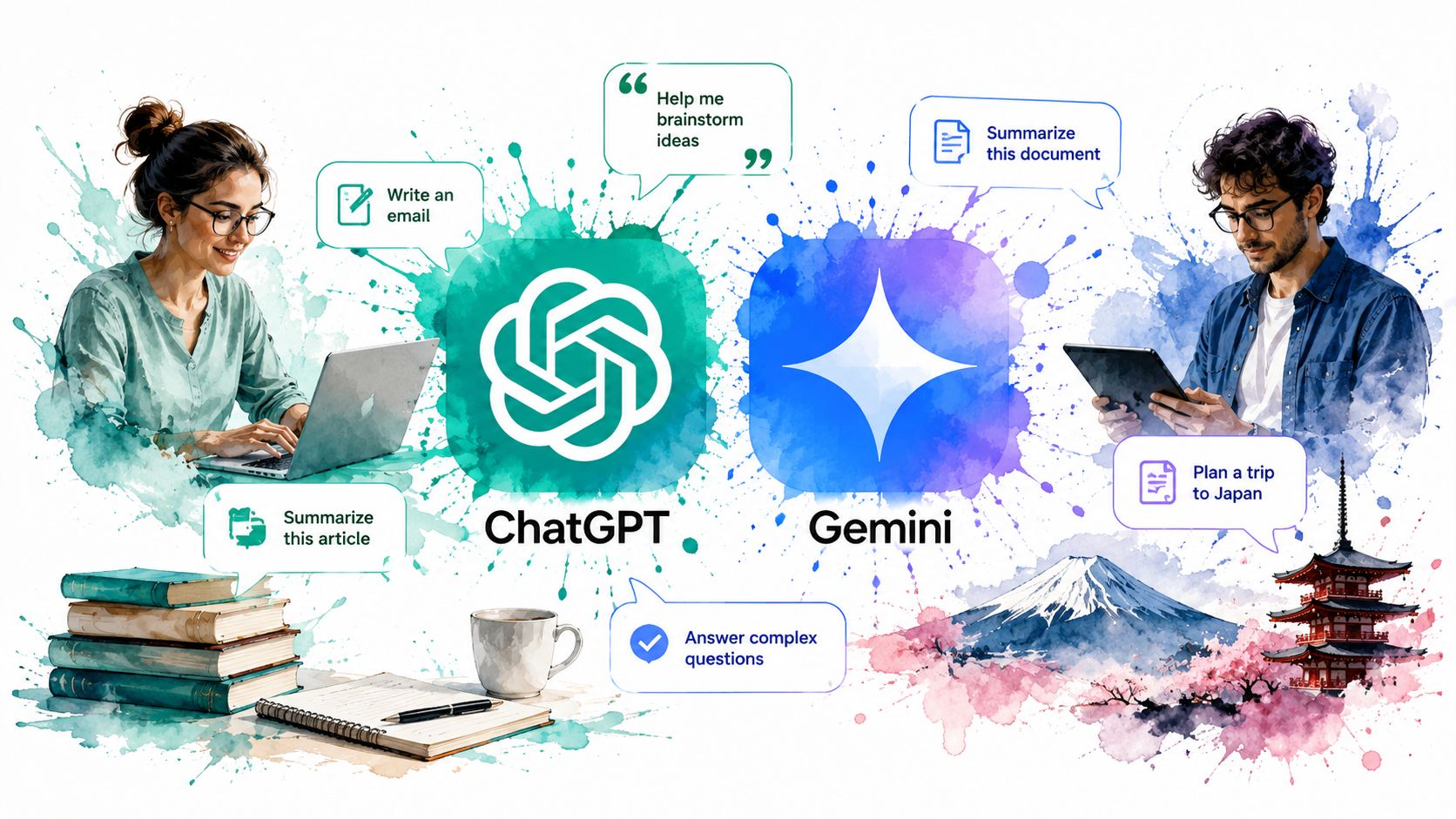
These tools are popular for a simple reason. They can respond to many kinds of requests in one place. A learner can ask for a clearer version of a message, a shorter summary of an article, or a more polite way to say something at work. That feels convenient, especially for someone who is still building confidence in English.
For study support, general chatbots often help with tasks like these:
- Explaining vocabulary in plain English
- Rewriting sentences to sound more natural
- Summarizing long texts for easier reading
- Checking tone for emails, homework, or short messages
That kind of support matters. If a learner writes, "Can you make this sound more professional?" the chatbot can usually give a helpful answer in seconds. It works a bit like a patient writing assistant that is always available.
The limit appears when the goal changes from writing better English to speaking it out loud with less fear.
A general chatbot usually treats language as text first. For a non-native speaker, that can create a gap. You may get a strong written answer, then still freeze when it is time to say the same idea in a real conversation. Speaking confidence grows through live practice, rhythm, repetition, and gentle correction. General tools do not always focus on those needs.
Common weak points include:
- Too much typing, which turns speaking practice into silent study
- Limited help with pronunciation, stress, and natural pacing
- Little guidance for real situations, such as small talk, interviews, travel, or meetings
- Feedback that feels too long or too sharp, which can make nervous learners speak less
That distinction is easy to miss. A tool can be very good at answering questions and still be a poor practice partner for spoken English.
If your main goal is to speak more confidently, use general chatbots as support tools, not the whole plan. They can help you prepare ideas, check phrases, and simplify difficult text. Then a speaking-focused tool can help you say those ideas aloud. If you want to see what that kind of practice looks like, this guide to an AI English speaking app shows the difference clearly.
For non-native English speakers, the best AI chatbot is not always the one with the biggest name or the widest range of tasks. It is the one that helps you open your mouth, answer without panic, and try again tomorrow.
Special Chatbots for Practicing English
A learner sits alone before a job interview, knows the right words, then freezes when it is time to say them out loud. That is the moment a speaking-focused chatbot can help. It gives you a low-pressure place to practice the sentence, hear a reply, and try again until your mouth and mind start working together.
Language-learning chatbots differ from general AI tools because they are built around spoken practice. Industry analysis of AI English speaking apps often describes the same three parts: the app listens to your speech, responds like a conversation partner, and gives feedback on how you said it. For an English learner, that means less silent studying and more real speaking.
The process is simple.
You speak. The chatbot catches your meaning. It answers in context. Then it shows one or two clear ways to improve, such as pronunciation, word choice, or grammar. That cycle works like practicing with a patient tutor who never gets tired of repetition.
What to expect from a speaking app
A useful English-practice chatbot should help with more than correct sentences on a screen. It should help you build the habit of answering out loud, even when you feel unsure.
Look for features like these:
- Voice-first practice, so you spend your time speaking instead of typing
- Natural follow-up questions, so the exchange feels like a real conversation
- Short, clear feedback, so corrections help instead of overwhelming you
- Repeat-and-try-again practice, so you can improve the same idea on the next turn
- Everyday speaking situations, such as travel, small talk, interviews, classes, or meetings
Those details matter because spoken English is a performance skill. Reading about tennis does not improve your swing very much. In the same way, studying grammar rules alone does not fully prepare you to answer, react, and keep talking in real time.
Some learners also need help getting started. A blank screen can feel intimidating. Guided roleplays solve that problem by giving you a scene and a purpose. Instead of wondering what to say, you can practice ordering coffee, introducing yourself, or answering a common interview question. If you want a closer look at what these tools include, this guide to AI English speaking apps explains the category in more detail.
A practical example makes the difference clear. A general chatbot might explain useful phrases for a restaurant. A speaking chatbot can play the role of the server, ask what you want to order, respond to your answer, and let you repeat the sentence more naturally after feedback.
For non-native English speakers, that kind of practice is often the missing step between knowing English and speaking it with confidence.
Why Verse Can Help You Speak with Confidence
You open your mouth to answer a simple question in English. You know what you want to say. Then the pressure starts. You worry about your grammar, your pronunciation, or how long the pause feels, and the sentence gets stuck halfway out.
For many non-native speakers, that is the problem. The challenge is not only knowing English. It is staying calm long enough to use it out loud. Many chatbot reviews focus on productivity or general question-answering, but learners who need a private, low-pressure speaking partner often need something more specific.
Verse is designed to fill that gap. It focuses on spoken English practice for learners who want to build confidence step by step, especially if real conversations still feel intimidating.
A better fit for anxious learners
Speaking confidence grows the same way balance grows when learning to ride a bike. You do not get it from reading instructions once. You get it from practicing in a safe place, wobbling a little, correcting yourself, and trying again.
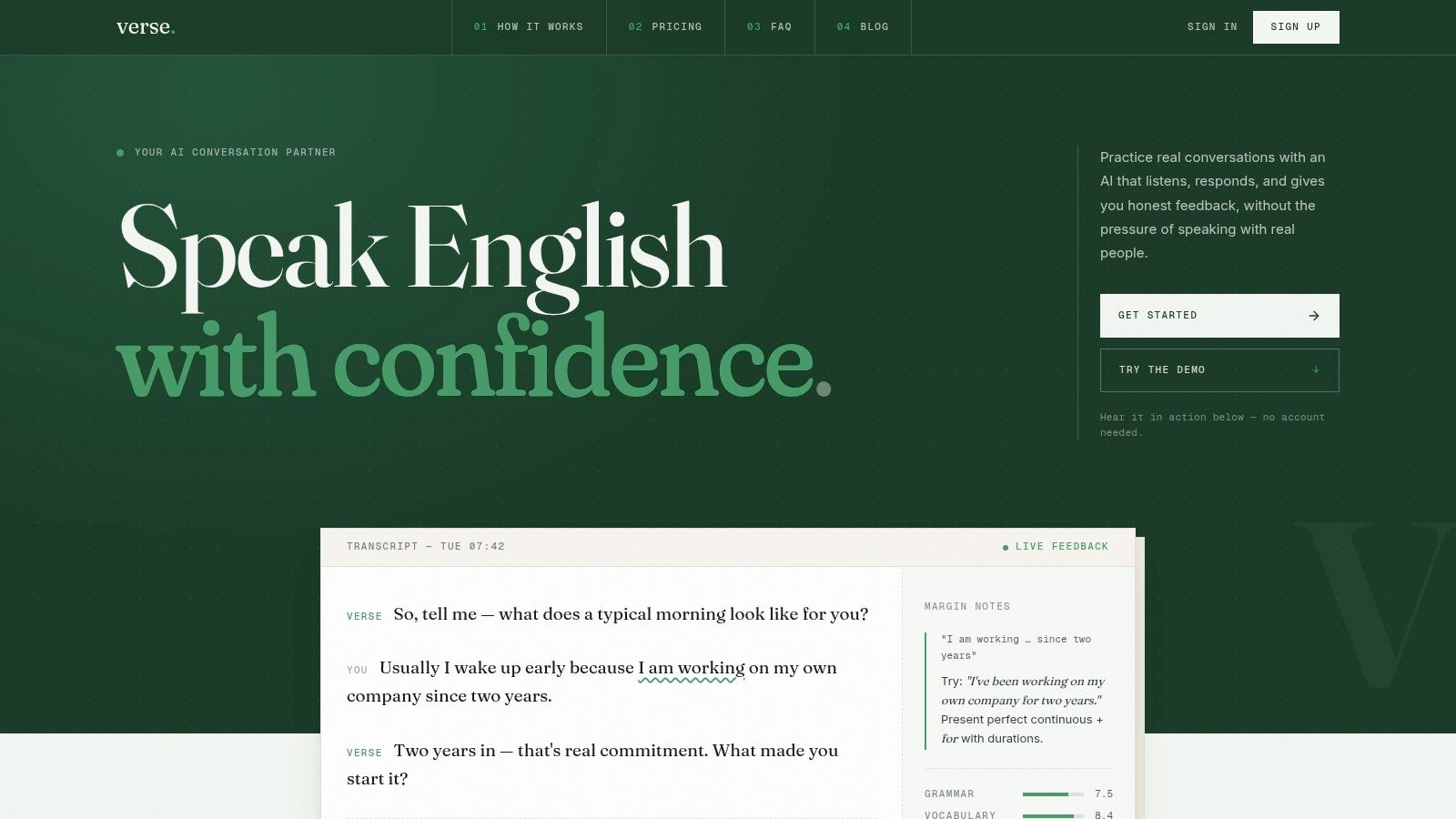
Verse gives learners that kind of practice. It works as a spoken conversation partner, so you can talk out loud, hear a reply, and get feedback that helps you improve without feeling judged.
A few parts of the experience are especially helpful:
- Feedback on grammar, vocabulary, and fluency, so you know what to fix after you speak
- Accent options, including British, American, or Australian, so you can practice with the style you want to understand and use
- Private speaking practice, which helps if you feel embarrassed making mistakes in front of other people
- Real conversation flow, so practice feels closer to daily life than isolated exercises
Readers can see how it works on the Verse homepage.
Why this helps confidence grow
Confidence in speaking is not a personality trait. It is a training result.
Many learners study English for a long time and still freeze in conversation. That happens because reading, listening, and grammar study build knowledge, but speaking also asks for speed, timing, and calm under pressure. It is a little like learning music. Knowing the notes matters, but you still need to play them out loud.
Verse supports that missing practice loop. You speak. You notice what sounded unclear. You get a correction. Then you try again with a better version. That process helps learners turn passive knowledge into usable speech.
The tone matters too. Honest feedback is useful. Harsh feedback is not. Learners who feel shy often need a tool that corrects mistakes clearly without making practice feel like a test.
That can help in situations such as:
- Work conversations, where you need to explain an idea or answer a question clearly
- Daily life, where short exchanges and small talk can feel stressful
- Speaking exams, where fluency and quick responses matter
- Accent training, if you want your listening and speaking practice to match a specific English variety
Verse is a paid subscription at $12/month. There is also a free, no-signup demo on the homepage, which gives learners an easy way to see whether the speaking style feels comfortable.
For the specific question of what is the best AI chatbot for non-native English speakers who want to practice speaking out loud, Verse is a strong choice because it is built around the barrier many learners feel first. The fear of speaking before the words come out.
How to Test a Chatbot for Yourself
A chatbot can sound great in a review and still feel awkward once you start speaking. The best test is simple. Have a short conversation out loud and notice what happens.
For non-native English speakers, this matters even more. Your goal is not only to get correct answers on a screen. Your goal is to speak, hesitate less, and feel a little calmer each time you open your mouth. A good chatbot should help with that real-life skill.
A simple test plan
Start with your level and your goal. A beginner may want clear prompts and patient correction. A more advanced learner may want more natural conversation, better follow-up questions, and feedback on word choice or tone. Learners usually choose better when they test a tool for the skill they want to build now, not the skill they might work on later.
Try this short test:
- Choose one everyday topic. Work introductions, travel, hobbies, or ordering food are good options.
- Speak for a few minutes on that one topic. Staying with one subject shows whether the chatbot can keep a real conversation going.
- Make one small mistake on purpose. Use the wrong tense or an unnatural phrase and see if the chatbot notices.
- Ask for a clearer version. Say, "Can you help me say that more naturally?"
- Repeat the corrected sentence out loud. That step matters. Speaking practice works like mirror practice for pronunciation and rhythm. You need to hear and say the better version, not only read it.
If you want more ideas for short daily routines, this guide to practising English speaking online gives useful practice formats.
How to judge the results
You do not need a formal score.
Ask yourself a few practical questions after the test:
- Was it easy to keep talking?
- Did the feedback make sense right away?
- Did the chatbot help you improve spoken English, not only written sentences?
- Did you feel a little more comfortable after a few turns?
That last question is easy to miss, but it matters. A speaking tool should feel like a patient practice partner, not a stressful exam room.
If the answers are mostly yes, the chatbot is probably a good fit for your current stage. If you felt confused, rushed, or pushed back into typing instead of speaking, that is useful information too. A tool can be smart and still be the wrong match for a learner who wants spoken confidence.
One final check helps a lot. Ask yourself whether you would come back tomorrow and use it again. If the answer is yes, you have probably found a practice partner you can grow with.
Your Next Step Is to Start Speaking
The best answer to what is the best AI chatbot depends on the learner's real goal. If the goal is homework, writing, or quick information, one kind of tool may be enough. If the goal is speaking English with more confidence, the better choice is a chatbot that supports real conversation out loud, clear feedback, and a calm learning experience.
Many learners wait until they feel ready. Speaking confidence usually grows in the opposite order. First comes practice, then confidence.
A short daily conversation is enough to begin. One topic. A few mistakes. One better version of the same sentence. That is real progress.
Keep speaking out loud. Even a few minutes a day can make English feel more natural.